
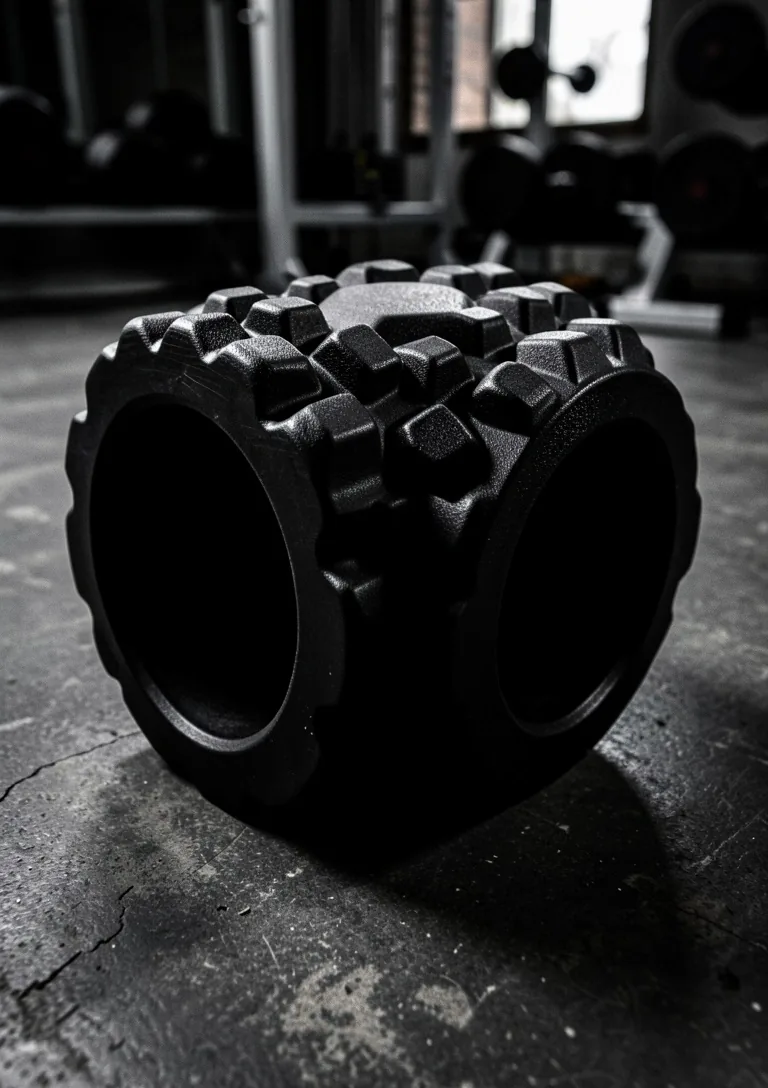
Foam Rolling Essentials & Myofascial Tools
Foam rolling is a self-myofascial release technique that has become a staple in modern fitness for its ability to help manage muscle tension. At Stretch Store, we supply quality muscle massage rollers and peanut massage balls to help you release muscle knots, improve flexibility, and make your post-workout recovery more efficient.
How a Foam Roller Works
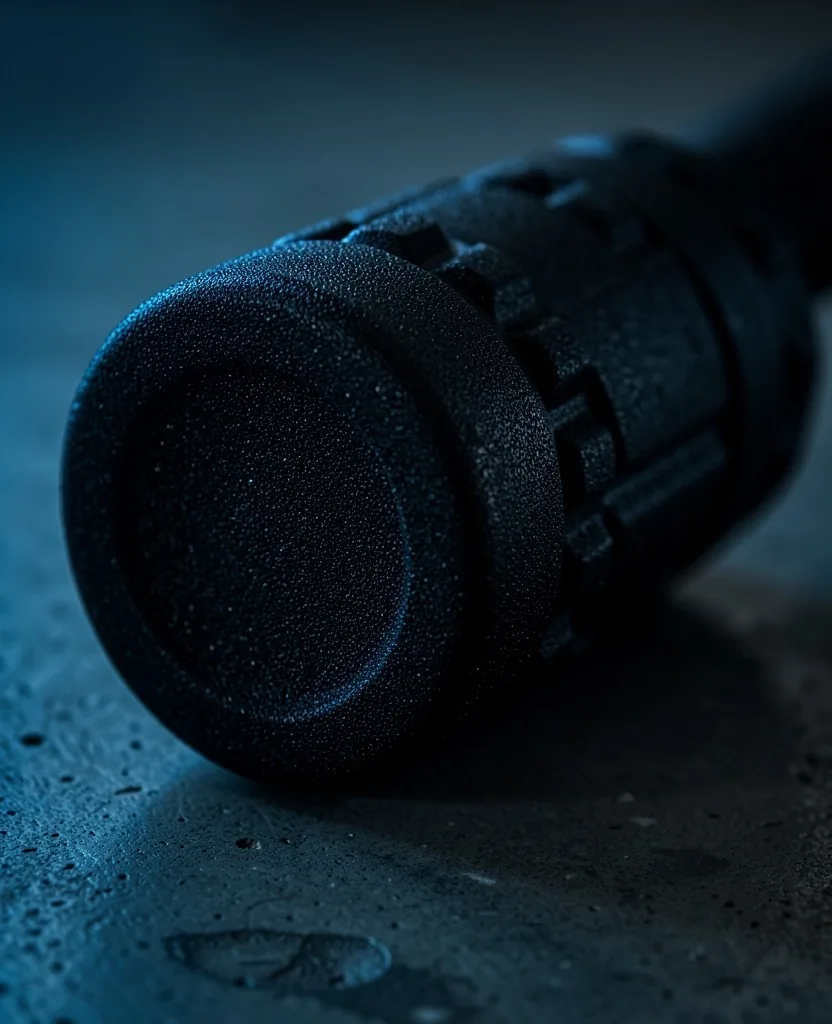
A foam roller works by applying pressure to the soft tissue, which can help smooth out the fascia that surrounds your muscles. This pressure can assist in breaking up adhesions or knots that form due to repetitive stress or inactivity. Our rollers are selected for their ability to maintain their shape under pressure, providing a consistent experience during every session.
The key is slow, controlled movement across the roller. When you find a tight spot, pause and let your body weight do the work. Breathing steadily helps the tissue release gradually rather than resisting the pressure.
Choosing the Right Density & Texture
Soft Density
A soft foam roller is ideal for beginners or for use on sensitive areas. It introduces the body to the sensation of self-myofascial release without overwhelming the tissue, making it a solid starting point for those new to mobility work.
High Density
A high-density roller delivers firm feedback for deep-tissue work on larger muscle groups like the quads and hamstrings. It holds its shape under body weight and provides the firm pressure experienced users need for stubborn tension.
Smooth Rollers
Smooth foam rollers provide even pressure across the entire surface area, making them a great choice for general recovery sessions. They are well suited to broad sweeping passes along the length of a muscle.
Textured Rollers
Textured rollers feature ridges or bumps designed to mimic the hands of a massage therapist, allowing for more targeted pressure. They are particularly effective for working through stubborn areas of tension in the calves and lats.
We provide detailed specifications for each product to help you determine which density level matches your current needs and tolerance. If you are uncertain, starting with a medium-density smooth roller gives you a feel for the technique before moving to firmer or textured options.
The Peanut Massage Ball
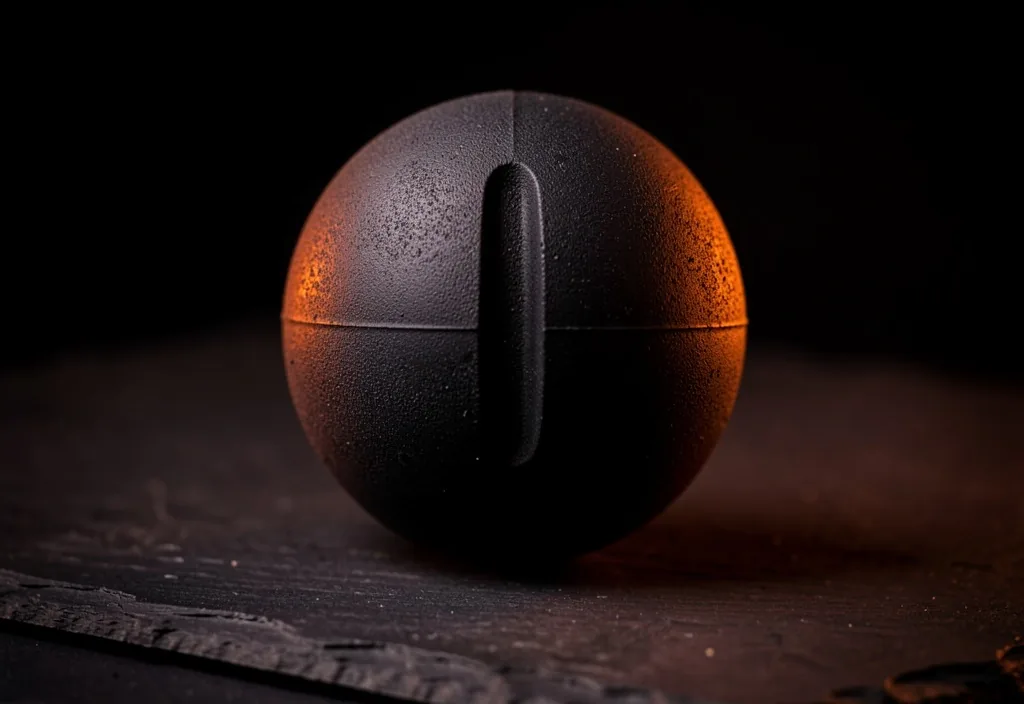
The peanut massage ball is a specialised tool designed with a recessed center to avoid direct pressure on the spine. It is highly effective for rolling the paraspinal muscles and the neck.
This tool allows for bilateral pressure, meaning you can work both sides of a muscle group simultaneously, which is excellent for improving thoracic mobility. Place it along the spine so each lobe sits on the muscles either side, then slowly roll from the upper back toward the base of the ribcage.
Recessed center protects the spinous processes from direct load
Bilateral pressure works both sides of a muscle group at once
Compact size makes it ideal for neck and upper back mobility
Releasing Muscle Knots
Muscle knots, or trigger points, are areas of high tension that can cause discomfort and limit your range of motion. Using a combination of a foam roller and smaller massage balls, you can apply static pressure to these spots until the tension begins to dissipate.
This process requires patience and the right equipment to ensure the pressure is both safe and effective. The approach is straightforward: locate the tight spot, apply sustained pressure for 30 to 60 seconds, breathe through it, and then slowly release. You are not trying to force the knot to release — you are giving the tissue time to let go.
A large roller is useful for broad areas like the thighs and upper back, while a smaller massage ball or peanut ball can isolate a specific knot with greater precision. Alternating between the two tools in a single session covers both general and targeted work.
Step-by-Step Method
Foam Rolling for the Legs
The legs often carry the most tension from daily activities. Rolling the iliotibial band, quadriceps, and calves can help maintain leg mobility and support overall lower body function. Our full-length rollers are particularly useful for these larger areas, providing a stable platform for various rolling techniques.
For the IT band, start just below the hip and roll slowly toward the knee. For the calves, sit with the roller under the lower leg and use your arms to lift your hips, then work from the ankle up to the back of the knee. These passes do not need to be fast — slow movement gives the tissue time to respond.
Upper Body & Back Relief
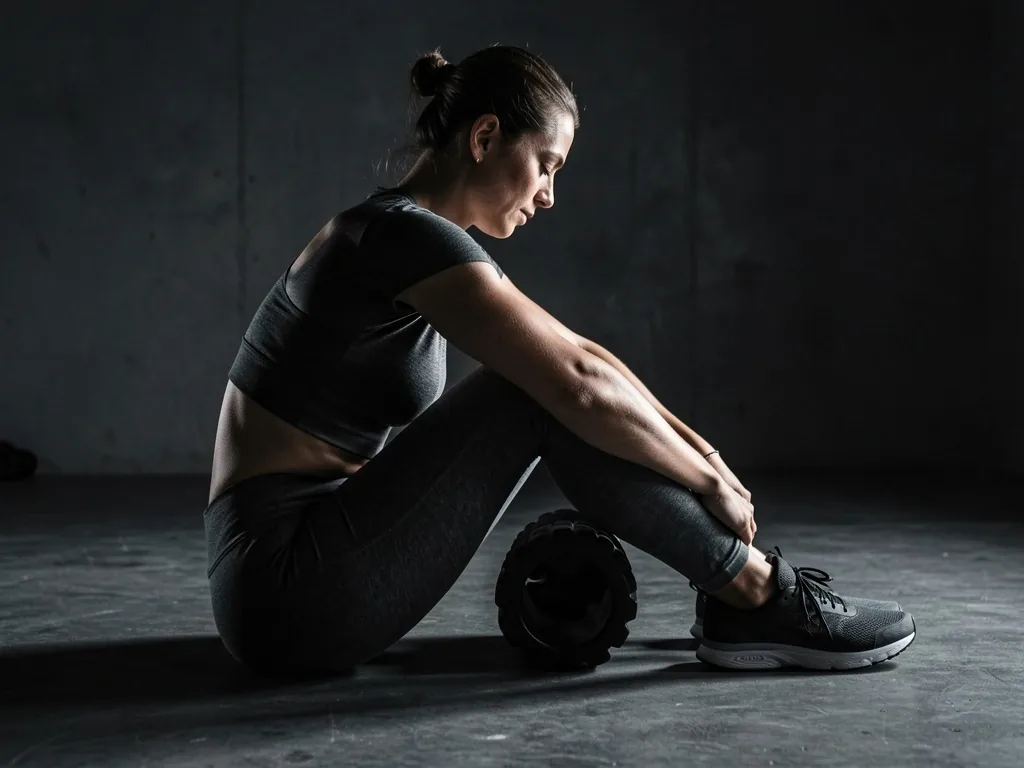
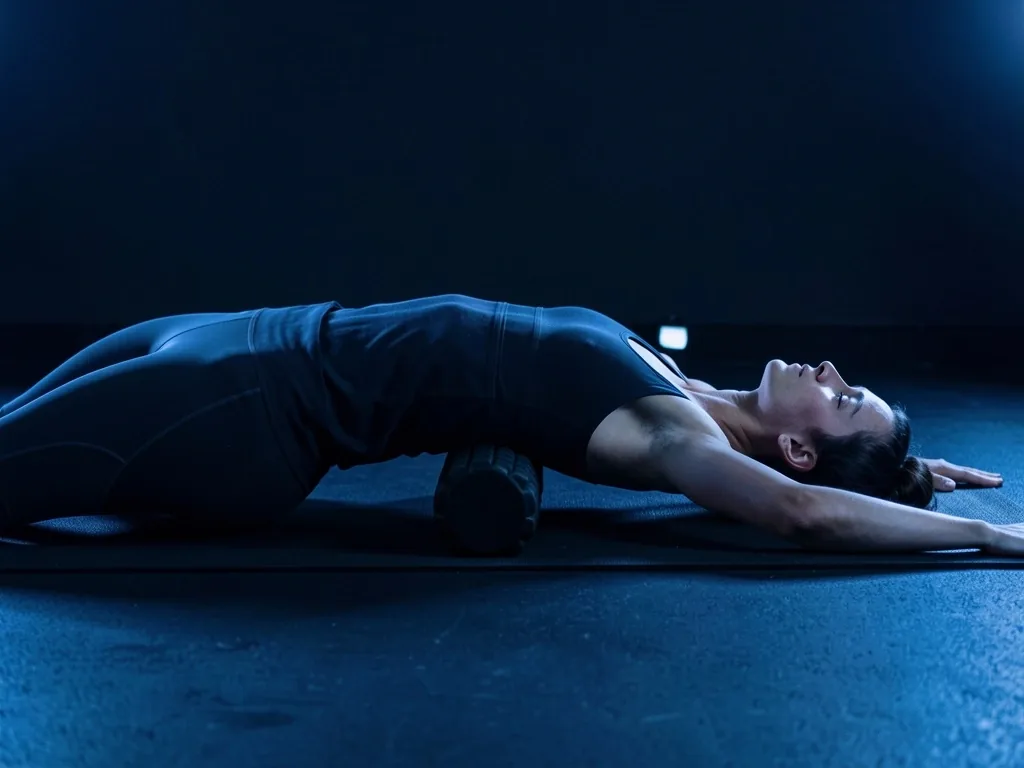
A stiff back is a common complaint in the modern workforce. Using a foam roller to perform gentle thoracic extensions can help counteract the hunch associated with desk work. Our rollers are durable enough to support your full body weight, allowing you to safely perform these movements at home.
Place the roller horizontally across the upper back, just below the shoulder blades. Support your head with your hands, keep your hips on the floor, and let your spine drape over the roller. A small, controlled movement is all you need — the goal is mobility, not maximum range.
Maintenance & Care of Your Roller
To ensure the longevity of your equipment, it is important to keep your foam roller clean and store it properly. Our rollers are made from moisture-resistant materials that can be easily wiped down after use.
Avoiding prolonged exposure to direct sunlight will help prevent the foam from becoming brittle, ensuring your roller remains a part of your kit for years. A damp cloth with mild soap is all you need for routine cleaning. Let the roller air dry fully before storing it away.
Care Checklist
Wipe down with a damp cloth and mild soap after each session
Air dry fully before storage to prevent moisture build-up
Store away from direct sunlight and heat sources
Avoid heavy objects resting on the roller during storage
Build Your Mobility Kit
Browse our full range of foam rollers, peanut massage balls, and myofascial release tools. Each product page includes density, dimensions, and texture details so you can choose with confidence.
45 High Street, Fitness Quarter
Manchester, M4 1BA
United Kingdom